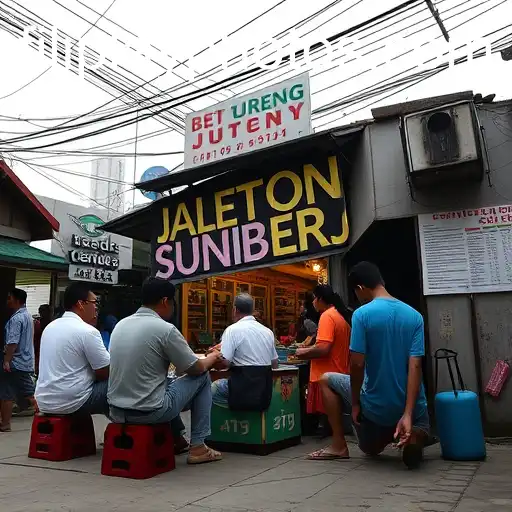
The Complex World of Jueteng and the Emerging Role of Filiplay
Jueteng, an illicit numbers game deeply embedded in Filipino culture, remains a significant part of the socioeconomic landscape in the Philippines. This underground lottery continues to thrive despite numerous efforts from law enforcement agencies and government reforms aimed at curbing its prevalence. At the center of this discussion is Filiplay, a modern platform that is challenging the traditional dynamics of gambling in the region. Herein, we delve into the multifaceted aspects of Jueteng and the growing influence of Filiplay.
Understanding Jueteng
Originating during the Spanish colonial period, Jueteng has evolved into a widely popular pastime among many Filipinos. It is especially prevalent in Luzon, where its socioeconomic impacts are most pronounced. The game's mechanics are relatively simple: players choose two numbers ranging from one to thirty-seven, and bets are often small enough to attract wagers from all sectors of society. The stakes are typically low, yet its impact resounds through the impoverished sectors where participants hope for a modest financial gain.
Despite its illegal status, Jueteng operates openly in many communities, often with the alleged participation or tacit approval of local authorities. The game is deeply rooted in local culture, which makes it resilient to outside pressures. The economic dimension of Jueteng is complex, providing employment to thousands involved in the operations as well as supporting illicit economies.
The Socioeconomic Impact
The economic outreach of Jueteng cannot be overstated. In regions where legitimate job opportunities are scarce, the gambling enterprise offers alternative livelihoods. Runners, bet collectors, and coordinators rely on the game for financial stability, despite the constant threat of raids and crackdowns by law enforcement. In this murky economic environment, Jueteng operators have developed intricate networks, often involving community leaders and sometimes even political figures.
While some view Jueteng as an unspoken form of systemic social support, others decry its deep entrenchment in corrupt practices. The revenues generated are often untracked and untaxed, creating a shadow economy that undercuts legitimate development efforts. This lack of regulation can overshadow government-led initiatives and has led to ongoing debates about potential pathways toward legalization and regulation.
Enter Filiplay: A New Paradigm?
As technology transforms traditional industries, even gambling is seeing its digital evolution. Filiplay emerges as an innovative platform offering a legal alternative to traditional gambling practices. By embracing modern technologies, Filiplay seeks to professionalize and regulate community-based betting. While it cannot completely replicate the cultural tapestry of Jueteng, Filiplay emphasizes transparency and fairness, aiming to overcome the illicit undertones prevalent in traditional setups.
The incorporation of digital platforms like Filiplay signifies a slow shift in consumer behavior, offering convenience and security to users. Players can partake legally while avoiding the stigma and risks associated with illegal gambling. Moreover, the digital nature of platforms like Filiplay facilitates better monitoring and more efficient tax implementation, potentially channeling revenues toward communal improvement projects.
Challenges and Perspectives
The transition from traditional Jueteng to digital alternatives such as Filiplay is not without challenges. For one, the deep cultural roots of Jueteng still hold sway over many, creating resistance to change. Moreover, traditional operators, who heavily benefit from the lack of regulation, may oppose these new systems which threaten their business model.
Moreover, regulatory oversight needs to be tackled carefully. The government faces a dilemma in balancing anonymity, security, and fair play while fostering public trust in new systems. Additionally, potential technical issues such as data security, fair gaming algorithms, and accessibility must be addressed before players can adopt this new paradigm en masse.
The Road Ahead
Ultimately, the future of Jueteng and platforms like Filiplay in the Philippines depends significantly on evolving consumer preferences and regulatory environments. As digital literacy improves and internet access becomes more ubiquitous, platforms that offer safer, more regulated betting experiences may gain traction over time.
As society grapples with Jueteng's impact on local economies and social fabric, there remains a conceivable path where cultural balance and innovation converge to form a gambling environment that is equitable, transparent, and economically beneficial. Whether Filiplay will catalyze this transformation or be another fleeting innovation remains to be seen. However, there is undeniable potential for platforms like it to redefine how Filipinos engage in recreational gambling in the future.
Conversations about Jueteng and Filiplay are not just about gambling but about the heart of economic opportunity, social justice, and modernization in the Philippines. Whether and how these forces will harmonize is a question yet unanswered, but as the dialogue continues, stakeholders on both sides watch with anticipation.